
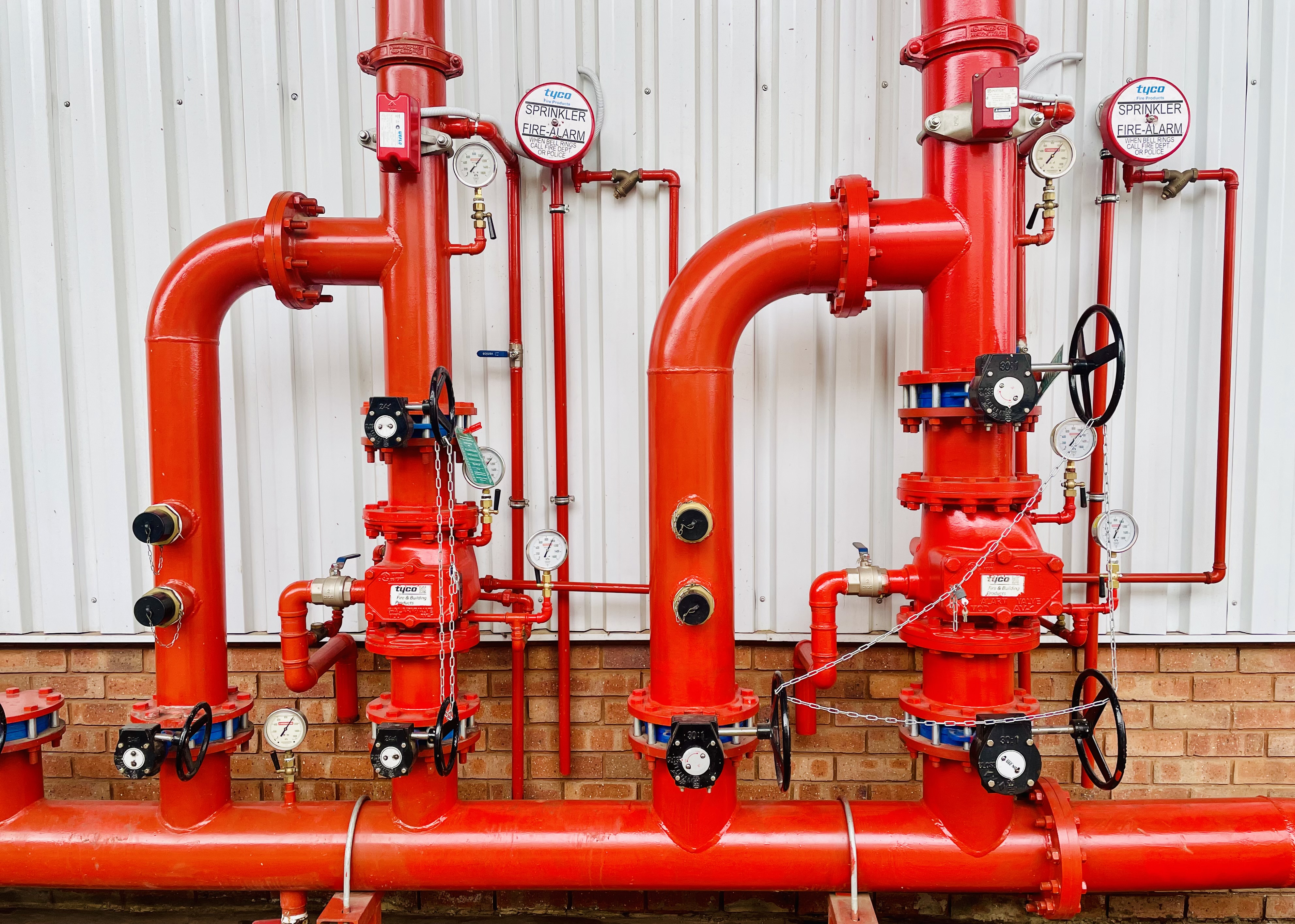
What does a fire sprinkler inspection cover?
Start by identifying the purpose of the assessment: routine system condition, an insurer’s request, concerns about a particular installation, or changes at the premises. A clear brief helps the owner and inspector agree which systems, areas and records are included.
The agreed scope can address accessible sprinkler equipment, valves, gauges, pipework, associated pump and water-supply equipment, and available inspection and maintenance records. Operational tests need to be specified separately, including which equipment will be tested and how results will be recorded. Access restrictions and equipment outside the appointment should be identified rather than silently treated as satisfactory.
Inspection, testing and maintenance: what is the difference?
| Activity | The question it addresses |
|---|---|
| Inspection | What condition can be established from examining the equipment and relevant records? |
| Testing | How does specified equipment perform when checked using an appropriate test procedure? |
| Maintenance | What work is needed to keep equipment in, or restore it to, its intended operating condition? |
NFPA 25 addresses inspection, testing and maintenance of water-based fire protection systems. Where it forms part of the site’s requirements, use the applicable edition together with the relevant equipment instructions. A visit described simply as an “inspection” does not establish which tests or maintenance activities are included.
What should the owner prepare before the visit?
- The site address, access contact and purpose of the inspection.
- Available drawings, design information, commissioning records and equipment manuals.
- Previous inspection reports, maintenance records and evidence of completed corrective work.
- Details of changes to the building, its use, stored goods or storage arrangements.
- Site induction requirements, access restrictions and arrangements for agreed tests.
Missing records are worth reporting at the enquiry stage. They may affect the conclusions that can be reached or identify the need for a separate investigation. Arrange operational testing with appropriately qualified personnel and the people responsible for the site’s fire protection and notifications.
Manufacturer instructions matter. For example, Johnson Controls’ sprinkler care guidance addresses owner responsibilities, qualified inspection services and coordination before shutting down affected protection. The instructions for the actual equipment installed should be available.
What makes an inspection report useful?
A useful report links each observation to an identifiable system or location. Ask for the assessment date, agreed scope, reference criteria, checks and tests completed, relevant results, findings and limitations. Photographs and equipment references can make the follow-up work easier to organise.
Findings should also communicate their significance. NFPA distinguishes between deficiencies and impairments; a condition affecting system operation needs a different response from a minor issue. Ask the inspector to explain the classification used and the recommended next step. Keep a record of who will address each finding and how completion will be demonstrated.
How often should a sprinkler system be inspected?
There is no single visit frequency that describes a complete inspection, testing and maintenance programme for every sprinkler system. The applicable standard and edition, equipment type, manufacturer instructions and site requirements determine the activities and intervals. Confirm insurer and authority requirements relevant to the premises as well.
An annual or six-monthly independent visit should therefore be understood as a defined service appointment. Ask how it fits into the wider programme and who is responsible for activities between visits. Record those responsibilities explicitly.
Does an inspection confirm that the design is adequate?
A routine condition or maintenance assessment should not be treated as proof that the design remains suitable for every current use of the building. A change in occupancy, storage or layout can raise a separate design question. Tell the inspector about these changes and agree whether a design review or another assessment is required.
Read our companion guide to third-party fire protection design reviews for the documents and project decisions involved.
Frequently asked questions
Can an inspection include a flow test?
Yes, if the appropriate test is included in the agreed scope and suitable arrangements are made. Confirm the equipment, method, responsibilities and reporting before the visit.
What if drawings or earlier reports are missing?
Tell the inspection team before the appointment. The available information and its limitations should be recorded; additional document gathering or investigation may be needed.
Does an inspection guarantee insurer acceptance?
Acceptance depends on the insurer’s requirements and the agreed assessment. Give the inspection team any written insurer instructions before the scope is confirmed.
Sources and further reading
These links provide background to the topics discussed. Confirm the applicable standard, edition and project requirements for the particular appointment.